Plan Your Best Trip Ever!
"Edmonton"

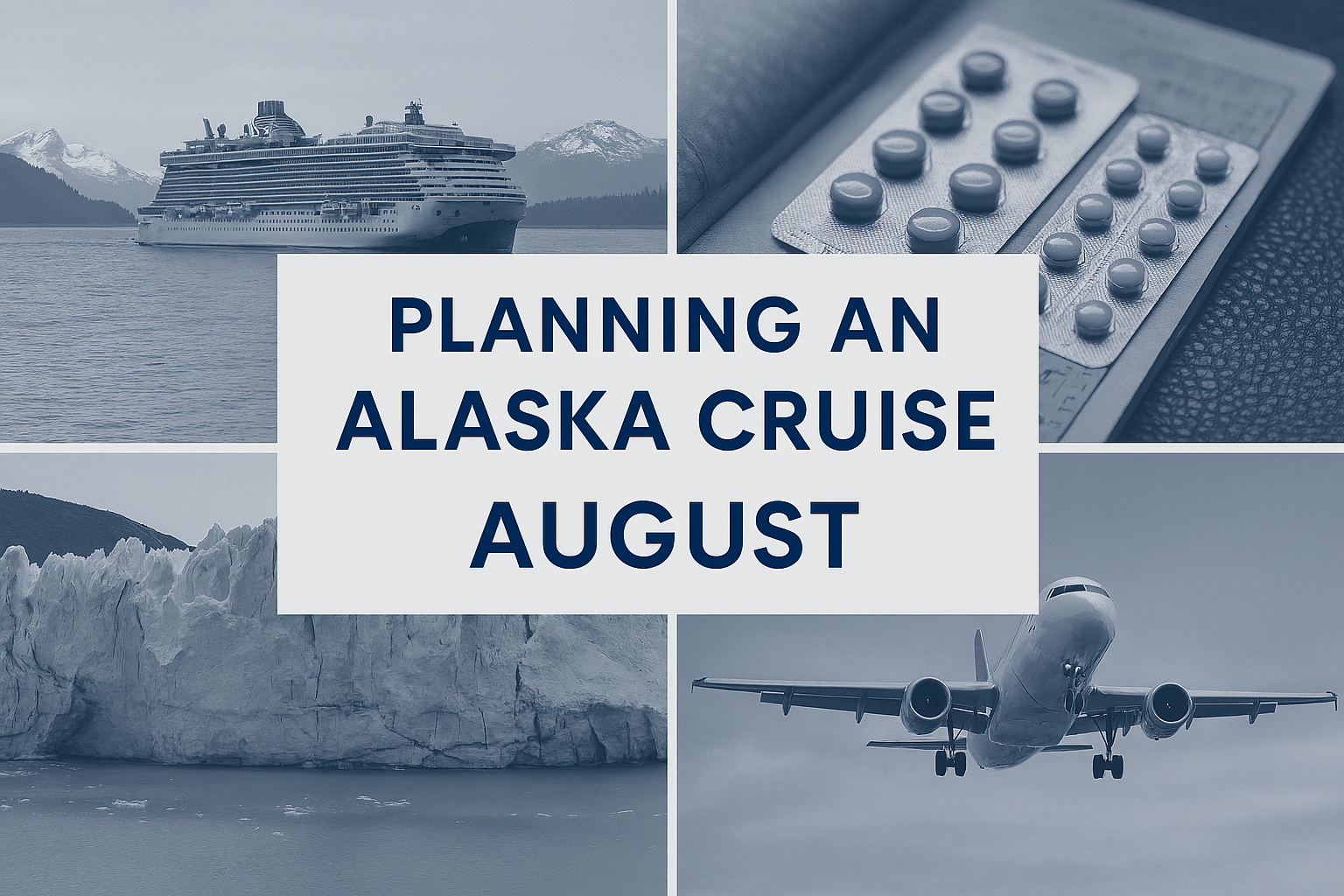
Planning this upcoming trip has been both a personal milestone and a practical reminder of why travel planning is never just about one booking.
This August, I’ll be setting out on my first‑ever cruise, my first time sailing with Virgin Voyages, and my first trip to Alaska. While many first‑time cruisers are encouraged to “start small” with a short two‑ to five‑day itinerary, that advice didn’t make sense for this destination or for how I approach travel planning.
Instead, this trip is intentionally designed as a 7‑day Alaska cruise within a 13‑day journey away, allowing for realistic pacing, built‑in buffers, and meaningful time before and after the sailing.
While I am not the advisor booking the cruise itself, I am responsible for planning everything around it: flights, hotels, timing, documentation, and logistics. That distinction matters more than many travellers realize, particularly when health considerations are part of the travel equation.
There is nothing wrong with short cruises. But Alaska is not a destination that benefits from being rushed, especially for first‑time visitors.
Longer Alaska itineraries:
Alaska rewards intentional travel. That principle applies whether it is your first cruise or your fifteenth.
Cruise marketing understandably focuses on the ship. But the land side of a cruise, especially one involving flights, border crossings, and potential medical needs, is where many trips become stressful if they are not planned carefully.
For this journey, planning priorities include:
These choices are not upgrades. They are practical risk management, and they protect the overall travel experience.
Another critical element of this trip is medication and medical planning.
Some travellers, myself included, take medications that may be considered restricted or controlled, depending on location and jurisdiction. That reality changes how international and cross‑border travel must be planned.
General best‑practice considerations that apply to many travellers include:
Health does not pause simply because travel begins. Thoughtful planning does not eliminate risk, but it makes travel more manageable, safer, and significantly less stressful.
Planning this trip has reinforced something I already believe strongly:
The cruise is only one part of the journey.
The overall experience is shaped just as much by:
This is especially true for travellers with medical considerations, longer itineraries, or destinations that do not forgive rushed schedules.
After returning, I’ll be sharing what worked, what I would do differently, and what I learned that will inform how I approach complex travel planning going forward.
For now, this trip serves as a reminder that good travel planning is not about doing what is typical. It is about doing what is appropriate for the destination, the traveller, and the realities that travel brings with it.
This article reflects general travel‑planning considerations only. Travellers should always confirm requirements with healthcare providers, insurers, airlines, cruise lines, and border authorities.
"Edmonton"
 TravelOnly By Callan
Sign up for our newsletter to learn about the latest product news and deals. Also receive exclusive offers, contest details and giveaways.